

A Tribute to van Gogh: when paintings come to life
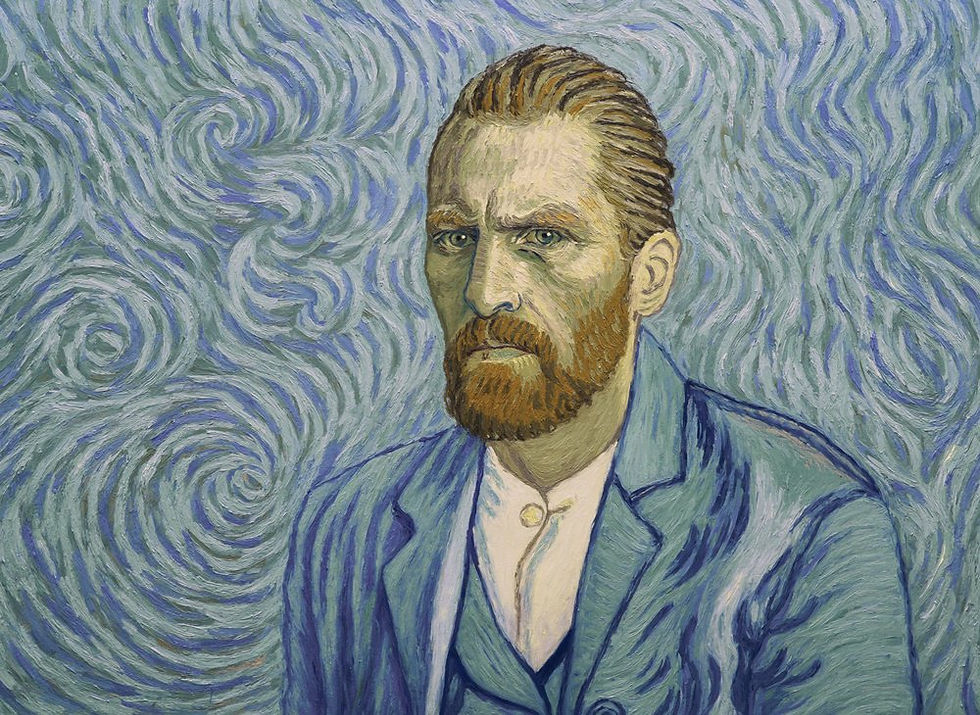
Photo courtesy of Good Deed Entertainment and Loving Vincent
Hailed as the first fully painted film in history with nearly 65,000 frames of hand painted masterpieces contributed by 125 artists, this seven-years-in-the-making film is definitely one-of-a-kind biopic which examines the mystery of Vincent van Gogh’s last days.
Directed by Dorota Kobiela and Hugh Welchman, the film was set in France, 1891, a year after Vincent’s (Robert Gulaczyk) death, so the movie is not narrated through his eyes but rather with the point of view of the other characters. The story revolves around a young man named Armand Roulin (Douglas Booth) who was asked by his postmaster father to deliver Vincent’s letter to his brother Theo, who he found out has passed away too. As Roulin continues his travel and acquaints himself with people who knew or spoke with Vincent, mysteries and conflicting stories about Vincent’s demise uncover.
This visually-pleasing film labored its paintings following the aesthetics of van Gogh. However, it relied heavily on its spectacle and visual production, failing to show appreciation of the life of the artist.
More than its dreamlike visuals, the plot seemed to overly romanticize Vincent’s death rather than his life. The plot limits the story on the time of his death and did not really tell much of his works and struggles. It did not really tell viewers how Vincent lived before he became a painter and did not elaborate on the reason he became one. The film should have served as a critique on the society he lived in and how the people in his surroundings treated him.
Nevertheless, the effort and the complexities of the artistry shown in the movie was truly remarkable. If you are looking for a film that will satisfy your interest in the arts, this is worth watching.
Comments